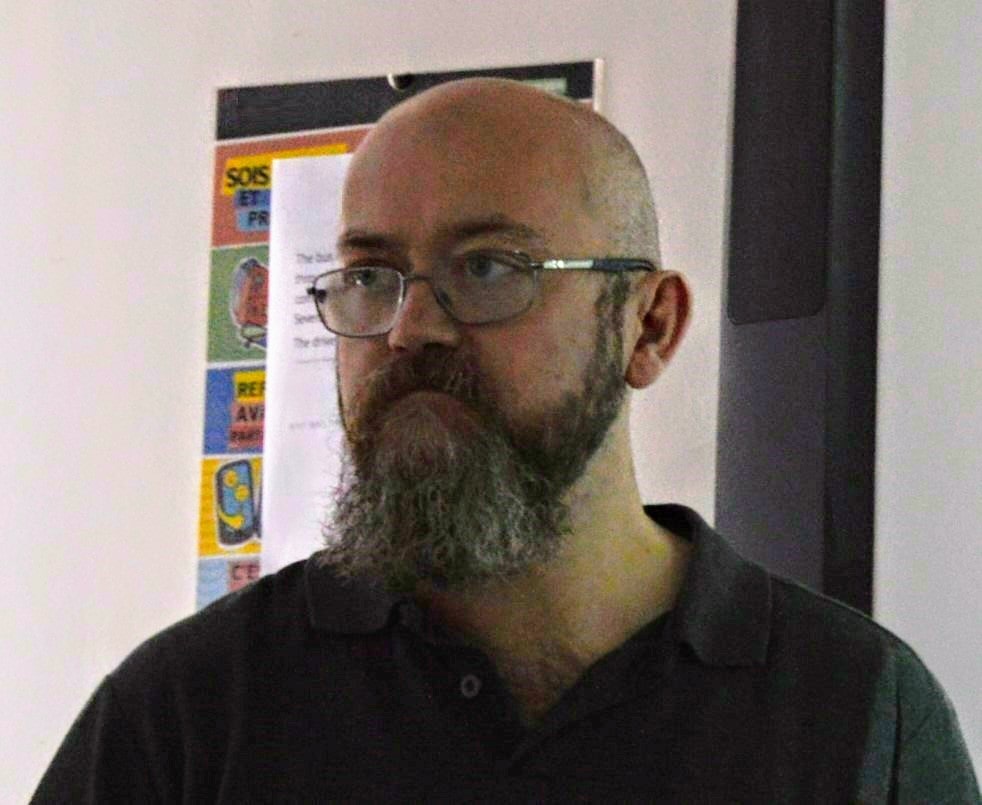
I was recently asked to answer a few questions about my experience both as a teacher and as someone who has worked in summer schools. My answers will form part of a series of social media posts by my summer school employer.
Whether you are here for the first time or have visited my blog before—welcome! My name is Olly. Thank you for dropping by!—a lot of this has been mentioned in previous posts. As the aim of this site is reflection and a record of learning, it doesn’t hurt to restate a few ideas.
***
Can you introduce yourself?
My name is Olly. I have a long history with summer schools and still genuinely enjoy the experience. Outside of work, I love to travel—I’ve been to 62 countries and consider myself a lifelong backpacker. I especially enjoy staying in hostels and travelling on a shoestring. The day you see me wheeling a suitcase into a hotel is the day I’ve given up.
I’m also really keen on magic—specifically, sleight-of-hand tricks. Hand me a deck of cards, and I’ll show you a trick. Feed me, and I’ll happily entertain a party for hours.
***
How did you get into EFL and summer schools?
Like many, I never chose to be an English language teacher—I fell into it by circumstance. It was 2002; I had finished university the previous year and was searching for my calling in life. In reality, I didn’t know what I wanted to do. I was working on building sites and on the docks in my hometown when a friend offered me accommodation and the possibility of a job in a restaurant in Italy. I packed my bags and left the following weekend.
Within weeks of my arrival, I was offered a job as an English teacher at a private language school. There’s no doubt I was hired because English was my first language, and certainly not because of my teaching skills. Although I was only there for a short period of time, I enjoyed the experience. It was a real baptism of fire, but it gave me a direction to follow. I returned home and went back to working on the docks—this time with a goal: to save money for a CELTA course.
I initially worked in ESOL, but very quickly moved to Poland to teach in a language school, which I thought would be a one-year stint. It turned out I loved the place and ended up staying for 12 years, even completing the DELTA along the way. In total, I’ve lived and worked in 15 countries as a teacher, teacher trainer, and manager.
Why become a manager, you may ask? Well, when you’re the go-to person in the staff room for grammar questions and all things pedagogical, it’s probably time to step up. You’ve likely wrestled with the same issues yourself and can offer something valuable to a colleague who’s stuck.
As a jobbing TEFL teacher, my contracts were often fixed-term, so I needed work in the summer. An old friend told me about summer schools, and my first foray was as a teacher in a centre in Oxford. When the Director of Studies left, I was asked to step up. I made a lot of mistakes but persevered to get the job done. The following summer, I was re-employed as the Director of Studies, made fewer mistakes, and realised there was real scope to learn a lot about office skills, people management, and the particular style of teaching required in summer schools.
I’ve now done 20 years of summer schools, working in practically every role—from Programme Manager to Centre Manager; from Teacher to Activity Leader, but the Director of Studies role is the one I know best.
***
What do you like most about it?
I genuinely love summer school. Maybe it’s because it’s a pop-up environment that always feels new and fresh—and with that comes a sense of motivation amongst everyone involved. Maybe it’s because I’ve worked with some fantastic people, many of whom have become close friends. Or maybe it’s because we get to create our own little society, with a culture unique to what we do.
Working in multinational teams and accommodating diverse groups of people is something I’ve always enjoyed. We get to build connections and foster understanding—not just between young people, but between ourselves as well.
***
Do you have any tips/advice for new staff on their first experience?
I believe summer school is a wonderful place to work—but it can be stifling for some. The fact that you eat, sleep, work, and socialise in the same location can take its toll. It can manifest in various ways, but often, you don’t see it coming. It creeps up on you and—bang—it’s got you. This malaise is the twin brother of homesickness, as it shares many of the same symptoms. You might chalk it up to feeling tired or a bit off-colour, but I can tell you without a shadow of a doubt: the real diagnosis is cabin fever.
Here are a few tips to help you stay well-adjusted in a summer school environment:
- Get off campus at least once a day. It’s easy to forget there’s a world outside.
- When your work is done, it’s done. If a group of Brazilian students ask you to watch their performance in the evening talent show, or a few Italian students want you to join their football game after class, consider how much these things cut into your personal time. Being ‘on’ all the time isn’t healthy.
- Stay in touch with family and friends. Having the same work-focused conversations day in, day out isn’t good for your mental health.
- Sleep. I can’t stress this enough. It’s easy to skimp on rest, but you won’t function well if you’re not properly recharged.
- Be mindful of your money. Don’t spend it all. With so many temptations, it’s easy to fritter away your hard-earned cash. There’s nothing worse than finishing a summer school with nothing to show for your efforts.
- Make your own entertainment. Subscribe to a streaming service (if you don’t already have one), play board games with colleagues, or take a walk off campus to grab a coffee. Avoid the trap of sitting in the staff room talking about the same things over and over again.
- Get a free ride. On your day off, save on transport by asking if there are any spare seats on a coach headed for a full-day excursion.
- And… sleep some more. Yes, it’s been mentioned before, but it’s worth repeating. Your well-being is paramount—and if you’re tired, you won’t be on top of your game.
***
There is a lot to learn about language teaching and second language acquisition theories. Keep in mind that whilst you’ll become skilled in certain areas, you’ll never be a master—you’ll always be a learner. I’m still a learner, and that mindset should last a lifetime. The day you think you know it all is the day you lose interest and start to stagnate. Either find an area that excites you, or cut your losses and move on.
Here are some things you can do to sustain your interest:
- Be involved in your own professional development from the beginning.
- Join an organisation like IATEFL.
- Attend webinars and workshops, either online or face-to-face.
- Read journals, do research, and engage in your own experimental practice.
- Once you’ve learned something, offer to share your findings with colleagues.
- Set up a lunchtime teaching discussion group—grassroots learning that comes from you, not just your institution, is always more powerful.
- Create a social media account solely for engaging with other teachers. There’s a community out there.
- Blog about teaching. You’ll slowly build an audience interested in your perspective, and at the very least, it becomes a record of your professional growth. Want to read my blog? Here’s the link: www.eflsummerschool.com
Interested in other summer school related tools and topics? Click here: Summer school ideas.
Want to support this channel? You could buy me a coffee!

 EFL Summer School